2026-10-27
The team behind PluvioFlow: Helping communities stay resilient when the rain comes
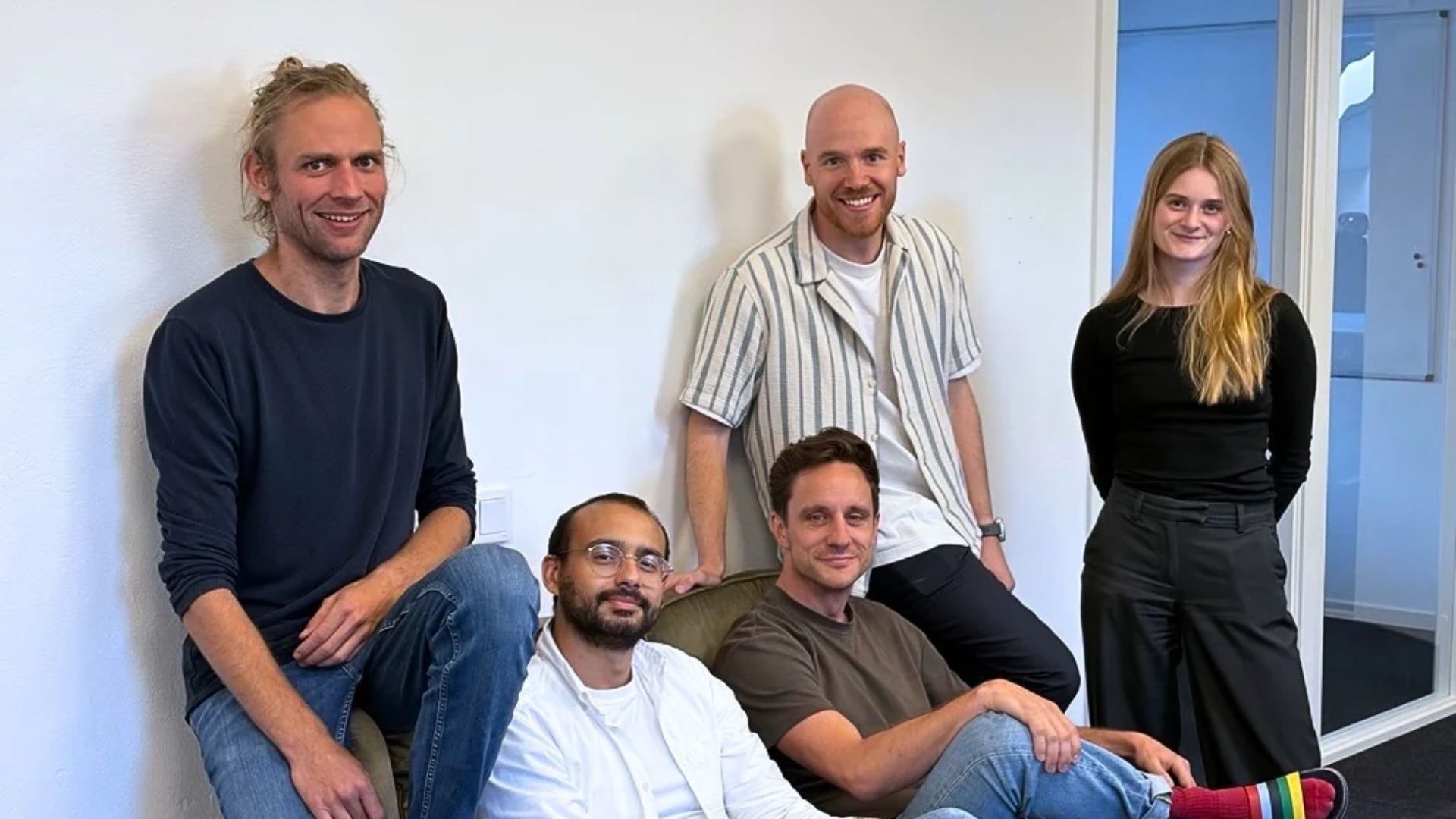
The first thing we are asked to do when we step inside The Ground in Malmö is take off our shoes. A game of table tennis is underway by the entrance, while entrepreneurs, developers and innovators share the space around us. The atmosphere is relaxed and familiar. It feels a long way from the image of a traditional research company. And yet, this is where one of Sandberg Development’s youngest incubator companies is developing technology that can help communities cope with the cloudbursts of the future.
From 30 years of research to a growing company
Up three flights of stairs, around a few corners and all the way to the back, we find the team behind PluvioFlow: Jonatan Green Brzezinski, CEO, Sam Sarwat, CTO, Sander Meijer, Head of GIS & Design, Steven Black, GIS Consultant & Product Owner, and Sophia Röse, GIS Consultant & Customer Success.
Together, they are developing technology that helps urban planners, insurance companies, and planning professionals understand how water moves as cloudbursts become more frequent and intense.
PluvioFlow has its roots at the GIS Centre at Lund University. The company builds on more than 30 years of research into how water moves through landscapes and urban environments during extreme rainfall. The technology originates from research by Andreas Persson, Petter Pilesjö and Abdulghani Hasan, who developed the algorithm that today forms part of PluvioFlow’s solution.
The technology combines geographic data with advanced calculations to show where water accumulates, which areas are at risk of flooding, and what measures may be needed.
- Put simply, we simulate rainfall and can see which buildings and areas will be affected. It’s about providing a better basis for decision-making before problems arise, says Steven.
The need is growing rapidly. Climate change does not only mean more precipitation, but also larger volumes of water falling over shorter periods of time.
- Everyone is affected by cloudbursts. Forecasts show that we will see significantly more water during the most extreme rainfall events. That makes it even more important to understand where the water will go in a quick, simple and reliable way, says Jonatan.
Five people, many perspectives
Despite being a team of just five, PluvioFlow brings together an unusually broad range of expertise. Sophia describes herself as structured and attentive, with a strong focus on customer needs. Sam is driven by building smart systems and developing the mathematics behind the models. Sander moves between geodata and the user perspective, while Steven likes to approach problems from unexpected angles. Jonatan sees his strength in listening to people and bringing different perspectives together.
- I do a bit of everything. Like reading emails, says Jonatan.
- That’s why we make such a good team, Sander adds, prompting laughter from the others.
When asked who tends to ask the toughest questions, almost everyone points to Sam and Sander. Challenging each other’s ideas seems to be a natural part of the culture, as does the willingness to quickly test new ideas and solutions.
Support for the journey from a long-term owner
Since 2024, PluvioFlow has been part of Sandberg Development’s incubator. The investment was made to help the company bring its research to market more quickly and contribute to better community and resource planning in the face of extreme weather.
For the team, the support has been about more than capital. Igor Miskovic, Head of Incubator at Sandberg Development, and others have provided valuable support and perspective on business development and strategy. The team also highlights the value of having quick access to expertise across the Group in areas such as Finance, HR and, not least, IT.
- You can simply pick up the phone and call. Many investors are also thinking two or three years ahead. But from the very beginning, Sandberg Development talked about a much longer perspective. That gives us the opportunity to build something for the long term, for the product, our customers and the team, says Jonatan.
Looking to the future
Five years from now, the team hopes that PluvioFlow will be present in more parts of Europe, helping even more communities understand and manage the water-related challenges of the future. Their ambitions range from AI and satellite data to more advanced visualisations that make complex information easier to understand.
When we finally ask what PluvioFlow’s own weather forecast would sound like today, the answer comes quickly:
- It’s going to rain a lot, but it won’t flood.
At least not if communities have the right knowledge and the opportunity to act in time.
As we leave the office at The Ground and put our shoes back on, we do so with a few more insights, and a few more laughs. Ultimately, PluvioFlow’s journey is about the same thing that the research in Lund set out to understand all those years ago: how water moves.
The difference today is that this knowledge no longer stays within academia. Instead, it is being used to help people, businesses and communities make better decisions in a world where extreme rainfall is becoming increasingly common.